Radiologic Technologist Jobs
What is a Radiologic Technologist?
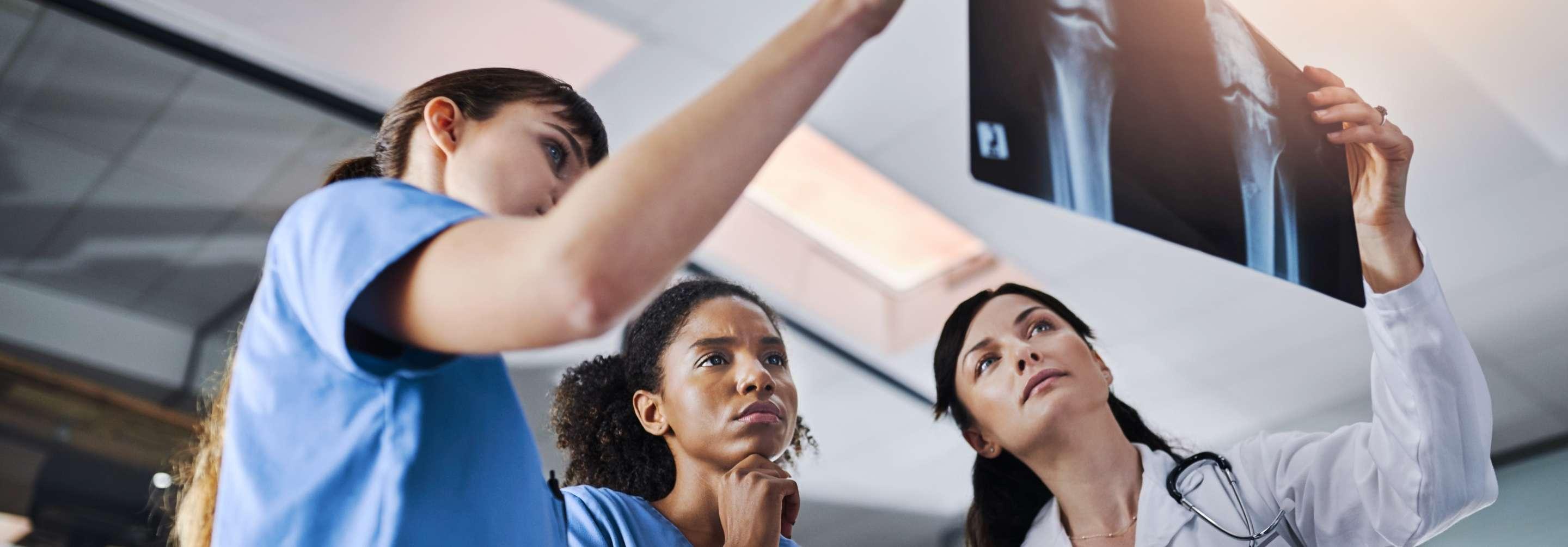
A Radiologic Technologist—sometimes also known as a radiographer or rad tech—is a licensed healthcare professional who performs diagnostic imaging procedures to help physicians diagnose and treat medical conditions. They operate specialized equipment such as X-ray, CT, MRI and fluoroscopy machines to capture internal images of the body.
What does a Radiologic Technologist do?
Key job responsibilities for a radiologic technologist may include:
Prepare and position patients for imaging procedures
Operate imaging equipment safely and accurately
Minimize radiation exposure using protective techniques
Ensure patient comfort and address concerns during procedures
Maintain and calibrate imaging equipment
Collaborate with radiologists and other healthcare providers
Document procedures and update patient records
Follow strict safety and regulatory protocols

How to Work as a Rad Tech
Radiologic technologists are tasked with providing physicians the information they need to make a diagnosis and develop a treatment plan. They may specialize in a specific area of healthcare, such as bone densitometry, computed tomography, mammography, magnetic resonance imaging, nuclear medicine, sonography or general radiography.
Having a thorough understanding of diagnostic imaging equipment and knowing proper patient placement is a requirement because of the radiation exposure risks faced with each scan.
Rad techs must be certified and licensed to practice. There are several associate and bachelor-level degree programs available to those who wish to enter the field. Preparation is also offered through many hospital programs.
Radiologists also need to have a strong understanding of anatomy, patient positioning techniques, diagnostic imaging equipment and radiation safety. They also need to be familiar with medical terminology because communication with doctors and nurses is constant.
What Do Radiologic Technologists Specialize in?
Radiologic technologists are found in a variety of healthcare specialties, including but not limited to:
Computed Tomography (CT)
Magnetic Resonance Imaging (MRI)
Mammography
Vascular or cardiac-interventional radiography
Radiation therapy
Bone densitometry
Nuclear medicine

Your Career, Your Way
At HealthCare Support, we don’t just help you find a job, we help you build a career that reflects your goals, values and potential. With a dedicated recruiting specialist by your side, our personalized hiring process is designed to uncover opportunities that truly fit. If you're ready to make a meaningful impact in healthcare and want a partner who’s invested in your success, HealthCare Support is where your journey begins.